PSA: Writing Injuries Are Real
I haven’t managed to blog every day in the run-up to the US publication of Daughter of Genoa. Here’s why.
When I moved into this flat, I took a lot of care in arranging my work desk. It has a special ergonomic chair, a proper keyboard and mouse, and a large monitor set up at the right height and distance, at a 90-degree angle to the window. Everything as it should be.
The problem is, I don’t always want to use it. Especially when I’m writing fiction, which I need to fit in around an intense and unpredictable schedule of freelance work. In this cold Prague winter, the temptation to take my laptop and snuggle up on the couch with two cats and a blanket is incredibly strong.
In fact, I wrote about 25,000 words of my current work-in-progress that way. And it was tremendously cosy and enjoyable until my left leg started hurting, and in a way that felt horribly like sciatica.
In this case, it could have been worse. I went to the GP, who tentatively diagnosed piriformis syndrome and referred me for further assessment. But I wish I could say this was my first brush with writing-induced injury.
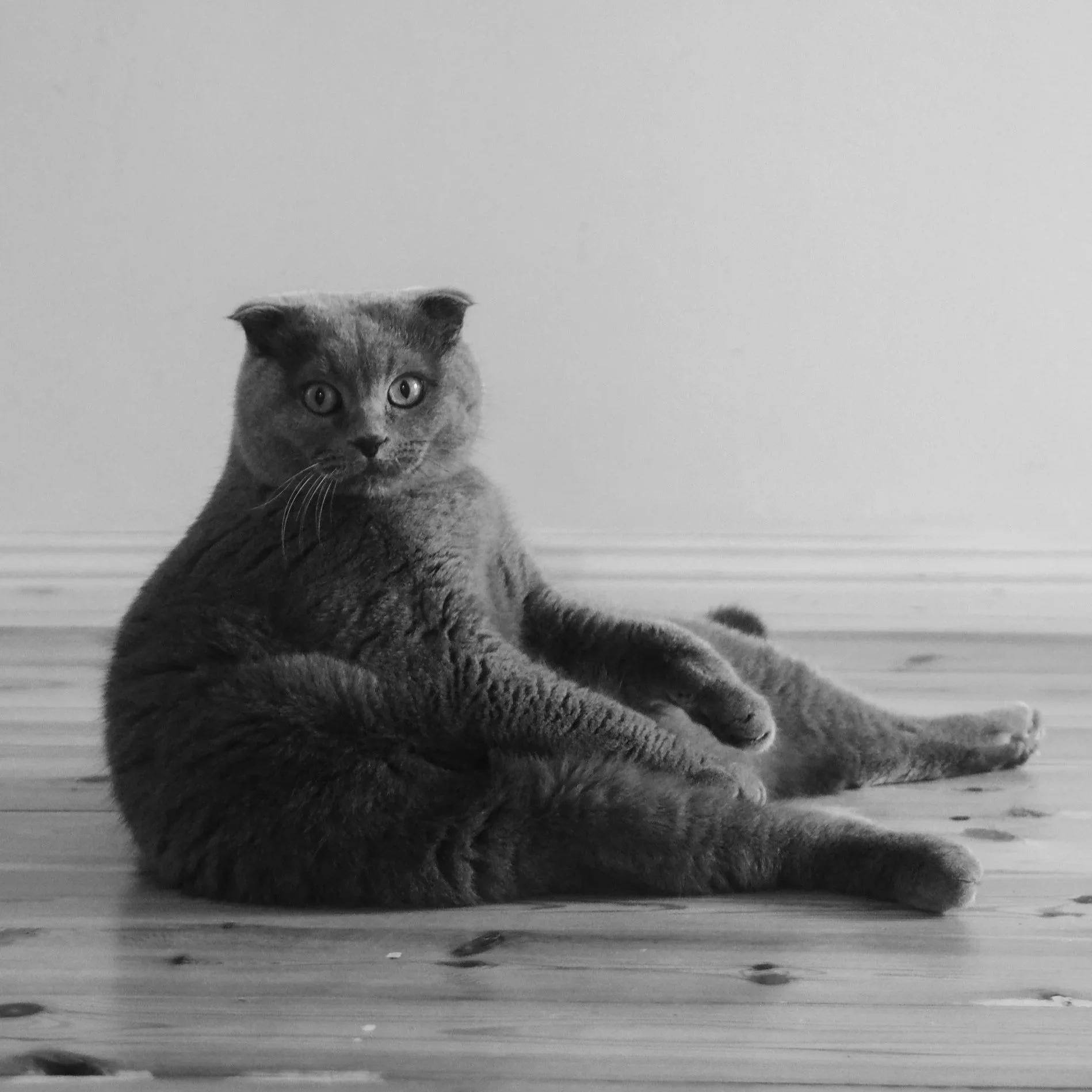
Bob just could not understand why his back hurt.
Writing is physically demanding
Like any sedentary job, writing will take its toll on your body over time. And the terrible irony is that inspiration makes it worse.
You know that amazing feeling when you’re so caught up in your fictional world that you can write for hours and not even notice the time passing? Those ideas that demand to be worked out even if it is two o’clock in the morning? The edits that come together in just the right way?
Hitting that kind of flow state does wonders for your book, for your creative morale, for your mental health. But every long period of sitting still and focusing puts a strain on your body. Unless you’re very proactive, you might not realise until those first symptoms start up.
That’s what happened to me last summer. After many years of working and writing in less than ideal ways – I even did an entire theology degree using an iPad and Bluetooth keyboard, which was incredibly silly of me – I woke up one morning with severe pain radiating down my left arm. I had a pinched nerve in my neck, caused by poor sitting posture, prolonged stress, and the natural effects of ageing. It took a couple of weeks for the actual injury to resolve, but much longer to calm the severe muscle spasms that made it impossible to write, sleep, sit, lie, or indeed do anything without pain.
Deep focus is an important, and rewarding, part of the creative process. But if you want to learn from my mistakes, don’t wait until the damage hits. Adopting a few simple habits right away will let you enjoy those moments of inspiration without suffering for it later.
Take breaks. Standing and moving every 20 minutes or so, even if it’s just for a quick stretch, is seriously beneficial to your body and mind. Set an alarm on your phone if it helps.
Hydrate. Your water intake is an early casualty of those long writing sessions, but dehydration actually makes joint and muscle injury more likely. Bonus: more bathroom breaks means more movement!
Compensate. Whether it’s a tight deadline or a visit from the Muse, an intense burst of work should be balanced out whenever possible. Take the next opportunity and have some downtime, even if you don’t feel like you need it.
Diversify. Doing the same thing all day, every day, is a recipe for mental as well as physical stagnation. Regular exercise is a great way to build resilience and fend off damage, while non-writing activities keep your creativity supple.
Don’t let your art wear you down
One of my tutors used to tell me that everything worth doing comes with a side of pain. I believe that’s true, but the pain doesn’t have to be physical.
As writers, we inhabit distressing experiences and confront painful facts all the time. We suffer with our characters as they undergo loss, frustration, sickness, anxiety. We pursue a profession that involves life-long, repeated rejection. Isn’t that enough to be going on with?
Taking care of your body is a crucial part of sustaining a long-term career as an author. If you’re smarter than I’ve been in the past, you’ll embrace prevention and head off unnecessary and, frankly, bloody uncomfortable obstacles to your creativity.
And now, if you’ll excuse me, I’m off to do some stretches.
Daughter of Genoa is released in the US on December 9, 2025.